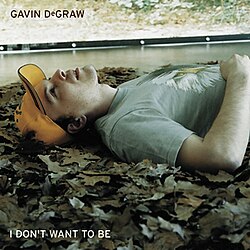
For nine seasons, the beloved drama One Tree Hill captivated audiences with its tales of love, friendship, rivalry, and growing up. More than just its compelling storylines and memorable characters, the show cemented its place in pop culture history with an undeniably iconic theme song: Gavin DeGraw's "I Don't Want To Be." This track became synonymous with the series, setting the perfect tone for every episode. Yet, what many fans fondly remember, and what truly enriched the show's musical landscape, were the incredible reinterpretations of this classic by a diverse array of artists. Beyond Gavin DeGraw's original, these iconic One Tree Hill theme song covers offered fresh perspectives, adding depth and dynamism to an already beloved anthem.
The Enduring Legacy of "I Don't Want To Be"
Gavin DeGraw's "I Don't Want To Be" wasn't just a song; it was the sonic heartbeat of One Tree Hill. Released in 2004, the track perfectly encapsulated the angst, hope, and aspirations of the show's young protagonists. Its soulful melody, introspective lyrics about self-discovery, and DeGraw's distinctive vocals resonated deeply with a generation navigating the complexities of adolescence and early adulthood. "I Don't Want To Be" became more than just a soundtrack opener; it was an emotional anchor, pulling viewers into the world of Tree Hill, North Carolina, with every strum of its guitar and every beat of its drums.
The song's enduring popularity is a testament to its universal themes. It speaks to the desire to break free from expectations, to forge one's own path, and to find a unique identity amidst a sea of influences. For many, hearing the opening chords immediately transports them back to the Rivercourt, the school hallways, or the dramatic cliffhangers that defined the series. The original track's acoustic-driven pop-rock sensibility provided a comforting familiarity, yet its versatility also made it ripe for reinterpretation. This foundational strength allowed subsequent artists to experiment with its core, proving just how robust the original composition truly was.
Exploring the Diverse World of One Tree Hill Theme Song Covers
One of the most inspired creative decisions made by the producers of One Tree Hill was to feature different artists covering the theme song throughout various seasons, particularly in later years. This not only kept the opening sequence fresh but also introduced viewers to new musical talents and allowed them to experience a beloved track through different sonic lenses. These covers weren't just filler; they were carefully curated artistic statements that often reflected the evolving tone and maturity of the show itself. Each rendition offered a unique interpretation, proving the melodic and lyrical strength of the original One Tree Hill theme song.
Patrick Stump's Energetic Take
Among the most memorable and widely praised covers was the version by Patrick Stump, best known as the lead singer of Fall Out Boy. Stump's rendition injected a vibrant, high-energy pop-punk sensibility into the track, making it distinctly his own while still honoring DeGraw's original. Fans particularly loved how his powerful vocals and driving instrumentation gave the One Tree Hill theme song a renewed sense of urgency and youthful exuberance. It was a perfect blend of familiar melody with a fresh, contemporary rock edge that resonated strongly with the show's audience, many of whom were already fans of Stump's work with Fall Out Boy. His cover felt like a passionate shout-out to defying expectations, aligning perfectly with the show's core message.
Tegan and Sara's Signature Sound
The indie-pop duo Tegan and Sara brought their distinct, often melancholic yet hopeful, sound to "I Don't Want To Be." Their cover was characterized by their signature harmonies and a more introspective, almost ethereal, arrangement. Where DeGraw's original was grounded in acoustic rock and Stump's was an energetic anthem, Tegan and Sara's version leaned into a more atmospheric and poignant interpretation. It felt a bit more mature, perhaps reflecting the characters' growth and the more complex emotional landscapes they navigated in later seasons. Their cover showcased the song's versatility, proving it could be equally impactful when stripped back or given a more nuanced, art-pop treatment.
Spinnerette's Unconventional Reinvention
For those seeking something truly revolutionary, Spinnerette delivered a cover that was, as many fans described, "completely different" and barely recognizable as the original One Tree Hill theme song. Spinnerette, the band led by Brody Dalle (formerly of The Distillers), transformed the pop-rock staple into a grungier, harder-edged alternative rock track. It was raw, aggressive, and undeniably cool, pushing the boundaries of what the theme song could be. This audacious take demonstrated the incredible elasticity of the composition, proving it could withstand a complete genre overhaul and still retain an inherent power. Spinnerette's cover was a bold artistic statement, offering a stark contrast to the original and providing an entirely new experience for listeners.
Wishlist and What Could Have Been
The decision to rotate covers sparked lively discussions among fans, with many speculating about which other artists they would love to hear tackle the iconic track. One name often thrown into the mix was Thrice. Imagining Thrice's post-hardcore and alternative rock sensibilities applied to "I Don't Want To Be" opens up fascinating possibilities. Their blend of intricate guitar work, dynamic shifts, and Dustin Kensrue's distinct vocals could have yielded a powerful, emotionally charged, and perhaps even heavier, rendition. This kind of speculative fan engagement highlights just how deeply embedded the theme song is in the show's cultural fabric, and how much joy listeners find in envisioning new interpretations.
Why Covers Matter: Reinterpreting an Anthem
Beyond simply offering variety, the inclusion of diverse One Tree Hill theme song covers was a brilliant strategic move for the show. It allowed the series to evolve musically alongside its characters, reflecting different emotional arcs and thematic focuses. Each cover essentially provided a new lens through which to view the show's core message of self-discovery and resilience. This creative approach kept the intro fresh, engaged audiences, and perhaps even introduced them to artists they might not have discovered otherwise.
Covers provide a unique opportunity for artists to pay homage to a classic while infusing it with their own creative spirit. They allow listeners to hear familiar lyrics and melodies in a completely new light, revealing previously unnoticed nuances or emotional depths. For a show like One Tree Hill, which was so deeply rooted in its music, these reinterpretations became an integral part of its identity, demonstrating the timeless appeal of "I Don't Want To Be" and its capacity to transcend a single genre or performance style.
Practical Tip: If you're a long-time fan of One Tree Hill, take some time to revisit these covers. Create a playlist comparing Gavin DeGraw's original with Patrick Stump's energetic version, Tegan and Sara's thoughtful take, and Spinnerette's raw interpretation. You'll likely discover new layers in a song you thought you knew inside and out, and appreciate the artistry involved in each unique rendition.
Discovering and Enjoying Your Favorite One Tree Hill Theme Song Versions
In today's digital age, finding and enjoying these various versions of the One Tree Hill theme song is easier than ever. While the concept of "free download" often conjures images of unofficial or low-quality sources, there are numerous legitimate ways to access and appreciate the music. Major streaming platforms like Spotify, Apple Music, and Amazon Music often host these tracks, allowing subscribers to listen on demand. Many artists also make their music available through official channels on YouTube or Vevo, often accompanied by music videos or live performances.
To truly support the artists who brought these incredible covers to life, consider purchasing their music through digital storefronts or directly from their websites. This ensures that they are compensated for their work and can continue creating the music you love. While the original intention for many searching for "how to download One Tree Hill theme song free" might have been to find quick access, prioritizing legitimate sources not only supports the music industry but also guarantees higher quality audio and a more complete listening experience.
Actionable Advice: Check your preferred streaming service for a dedicated "One Tree Hill" playlist or search for "I Don't Want To Be" by Gavin DeGraw, Patrick Stump, Tegan and Sara, and Spinnerette. You might be surprised by how readily available these iconic covers are, ready to transport you back to Tree Hill with just a few clicks.
Conclusion
Gavin DeGraw's "I Don't Want To Be" will forever be etched in the hearts of One Tree Hill fans as the quintessential theme song. However, the decision to embrace various artist covers throughout the series' run elevated this iconic track to new heights. From Patrick Stump's infectious energy to Tegan and Sara's introspective harmonies and Spinnerette's bold reinvention, these interpretations didn't just rehash the original; they expanded its emotional and sonic landscape, offering fresh perspectives on a familiar anthem. These covers underscore the enduring power of great songwriting and the boundless creativity of artists, cementing the One Tree Hill theme song not just as a piece of television history, but as a dynamic and ever-evolving musical masterpiece. So, dive back into the world of Tree Hill, and let these diverse covers remind you why this song, and this show, continue to resonate with so many.